Training for trainers (Part 1, THUAS)
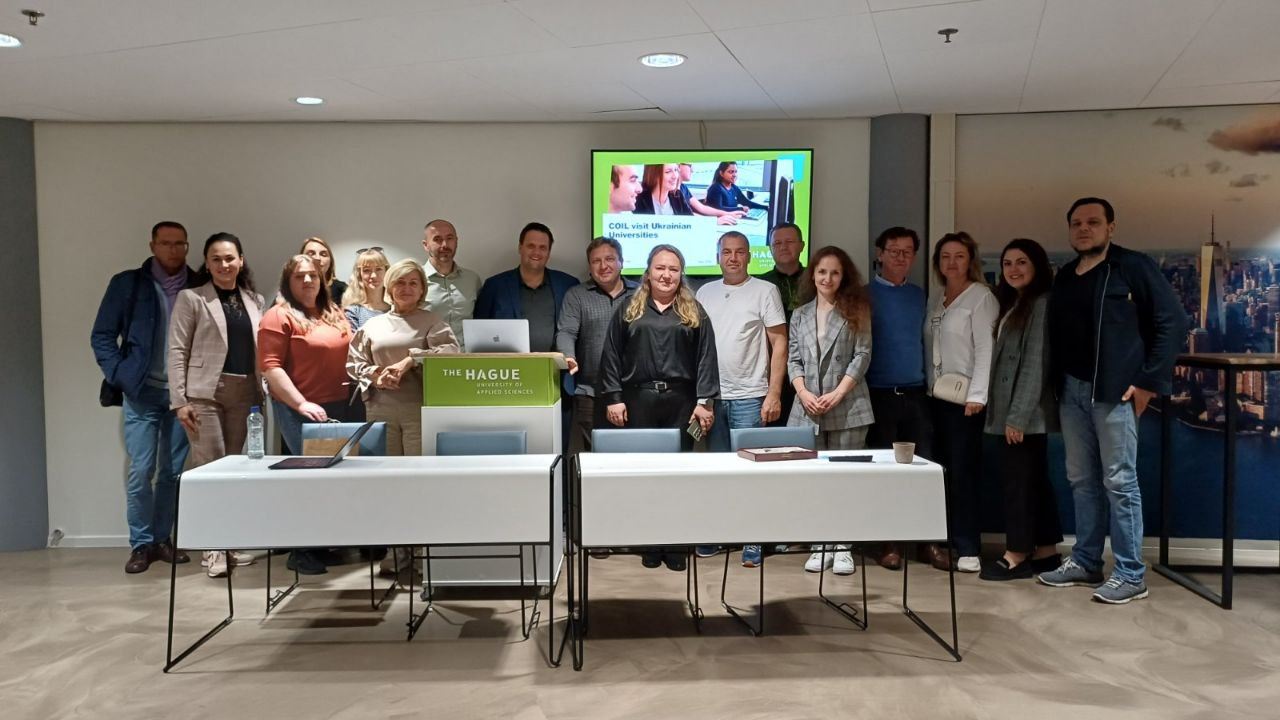
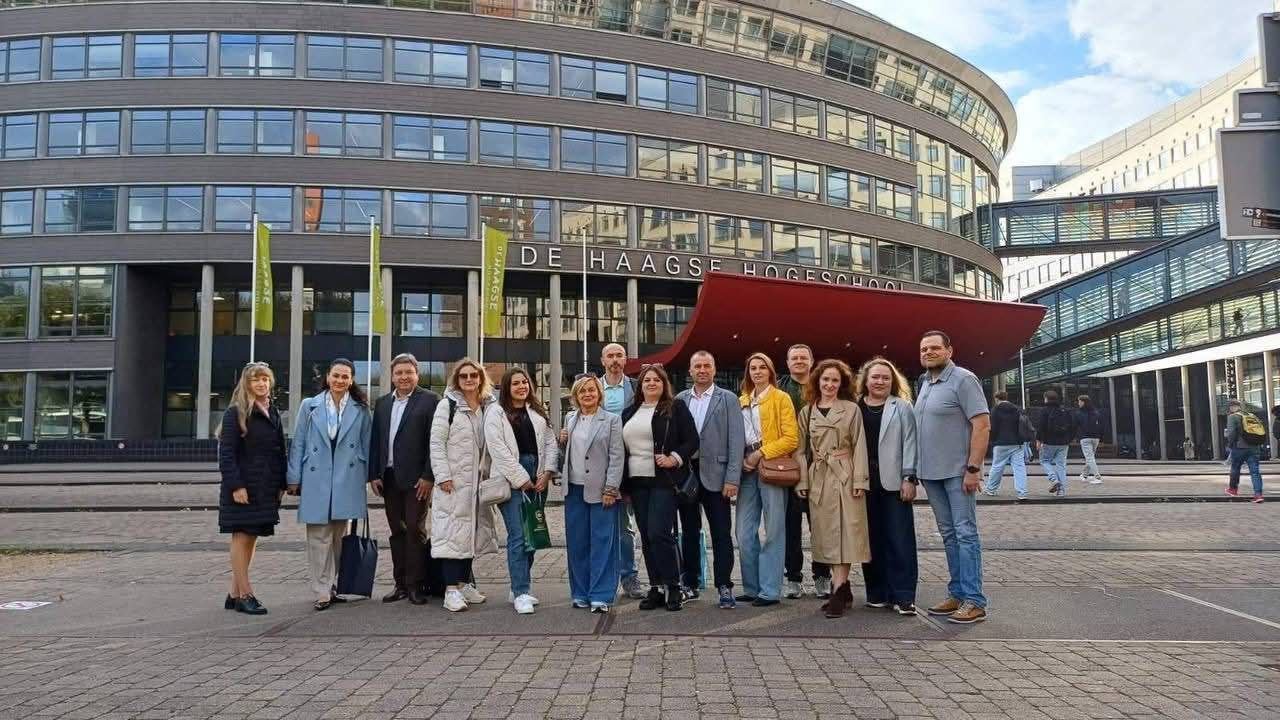
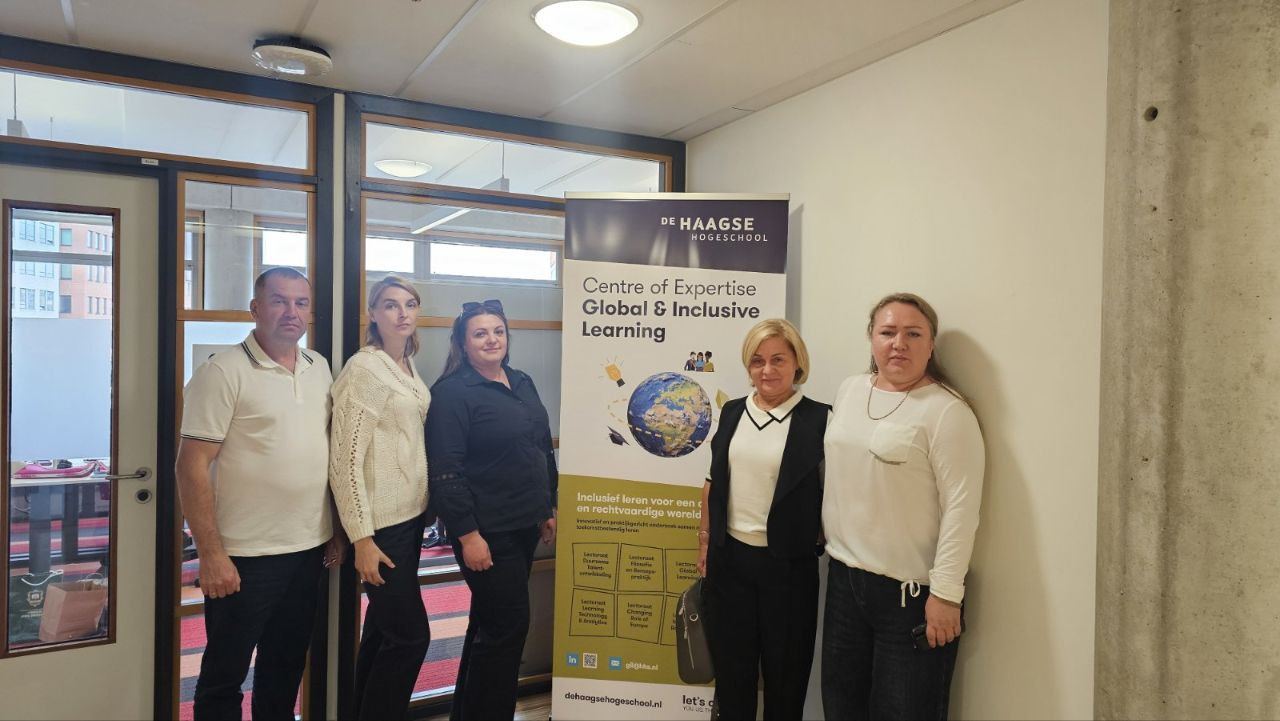
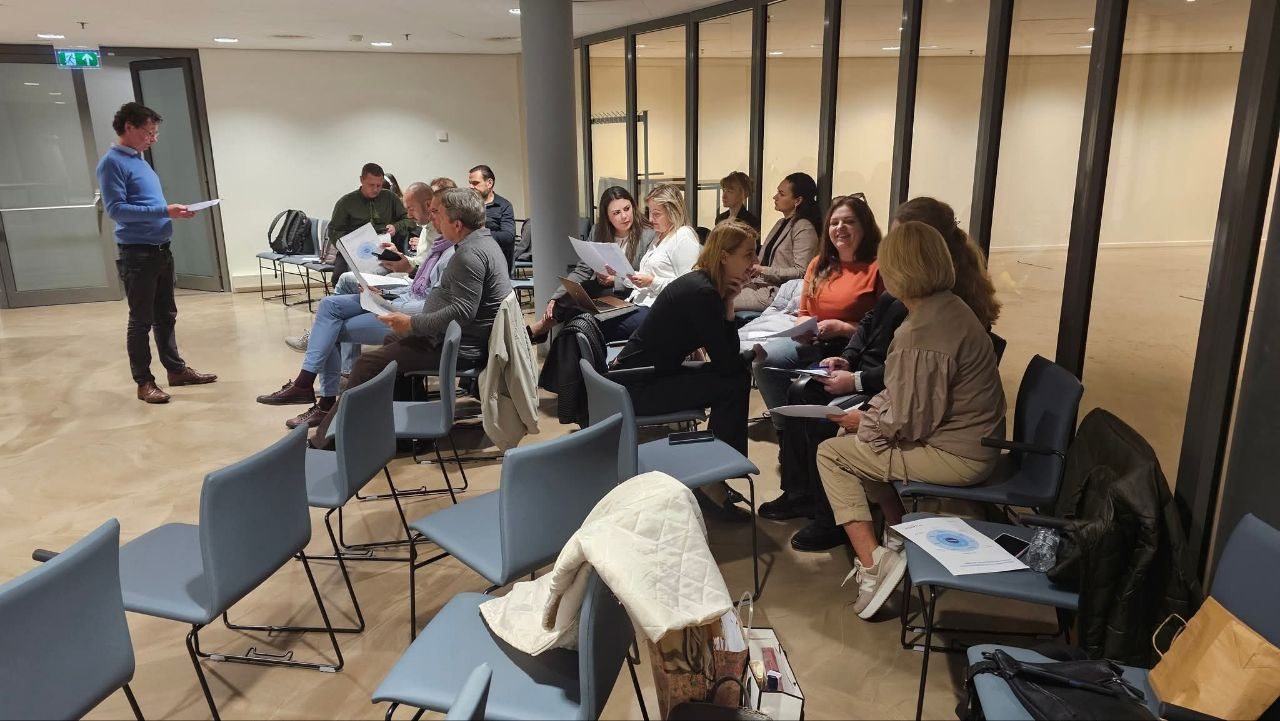
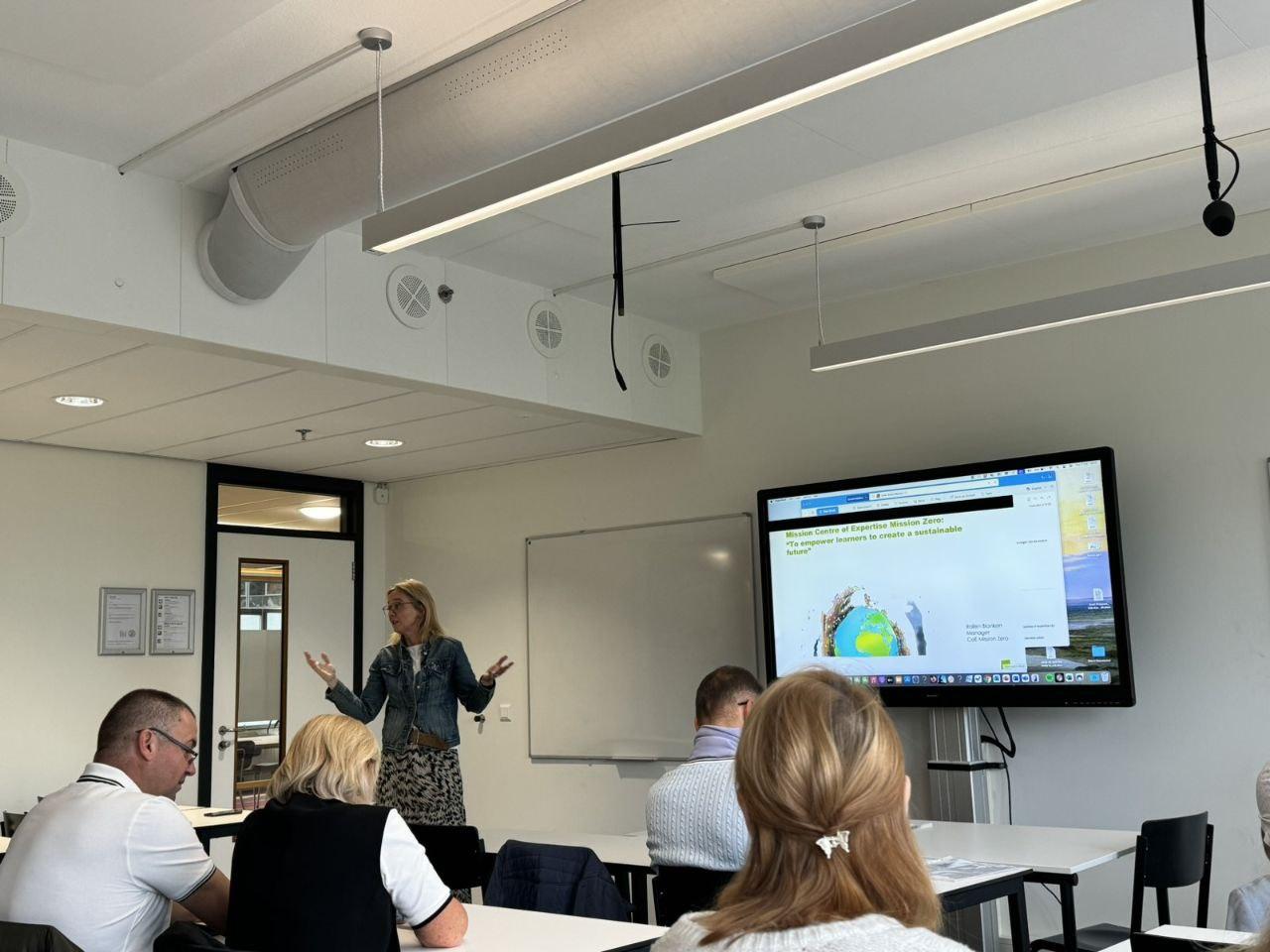
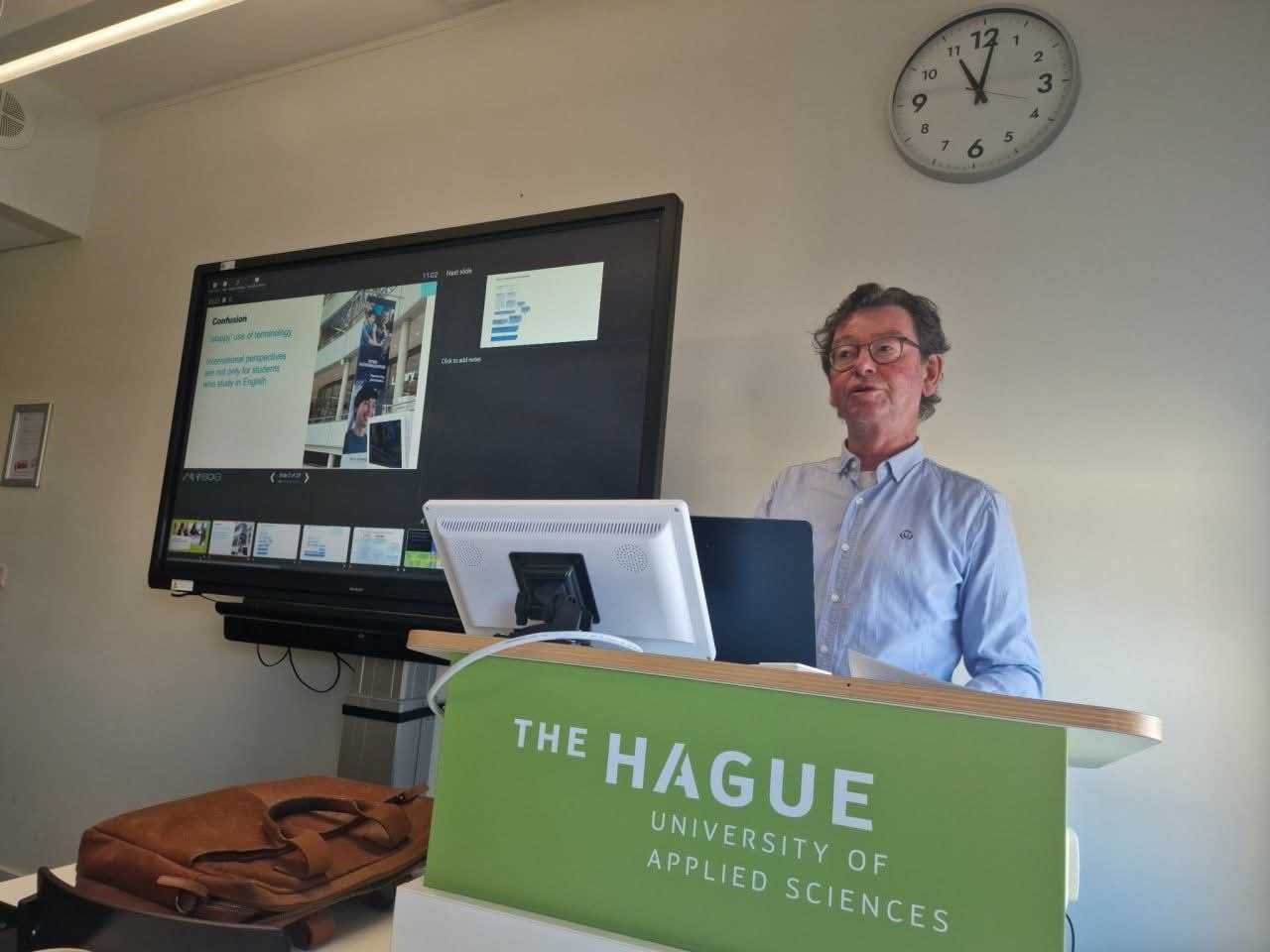
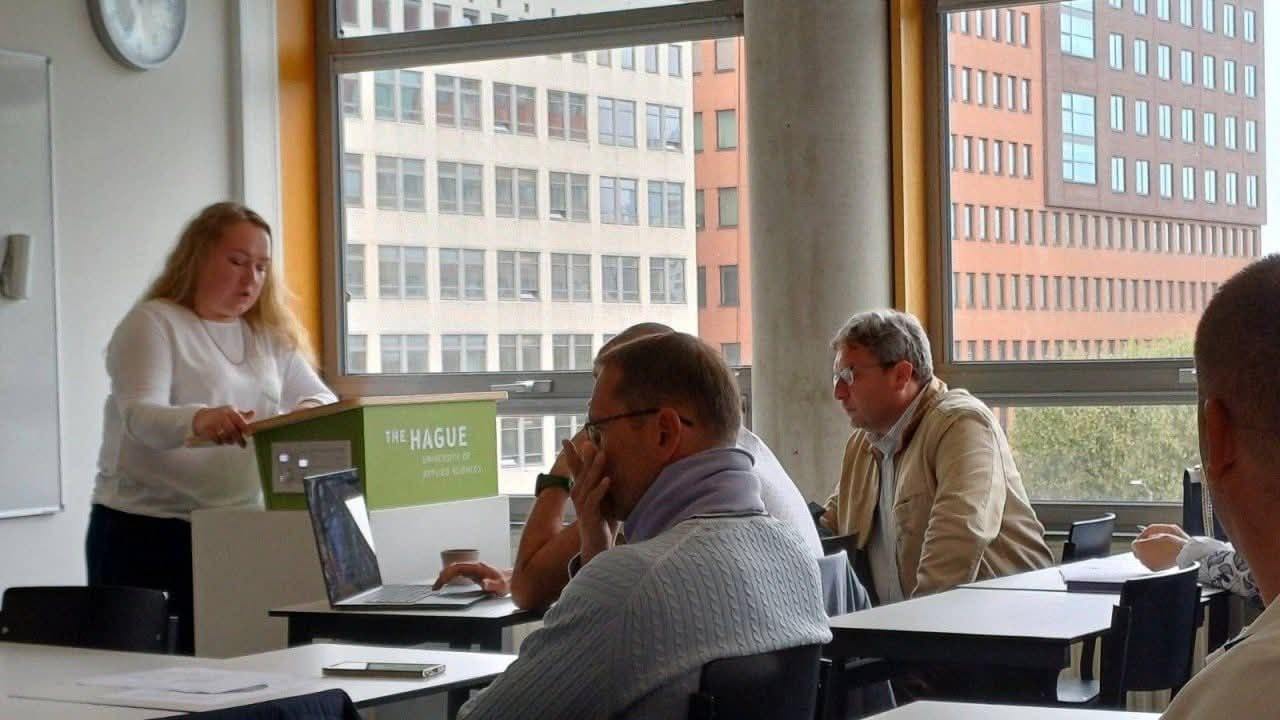
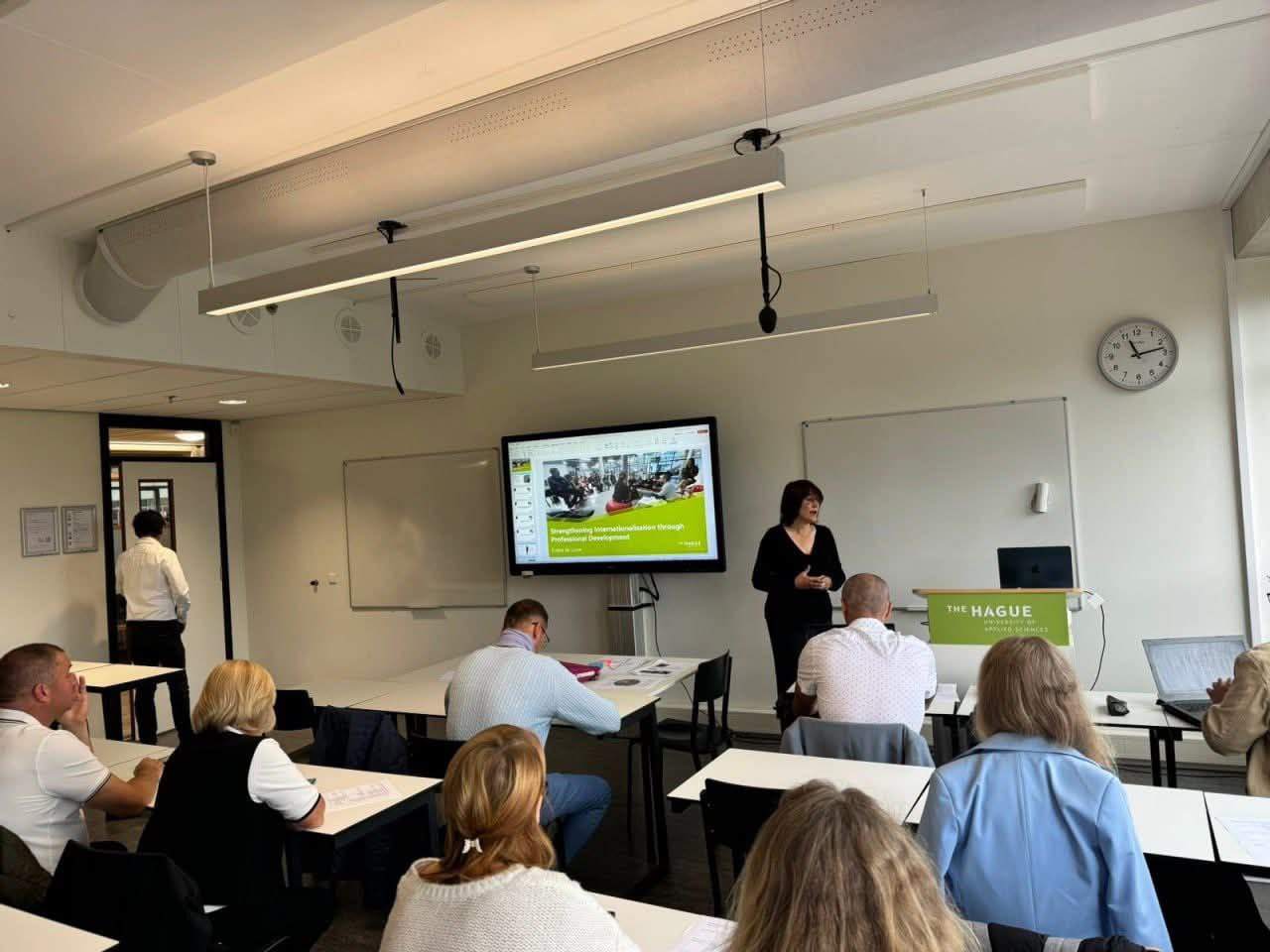
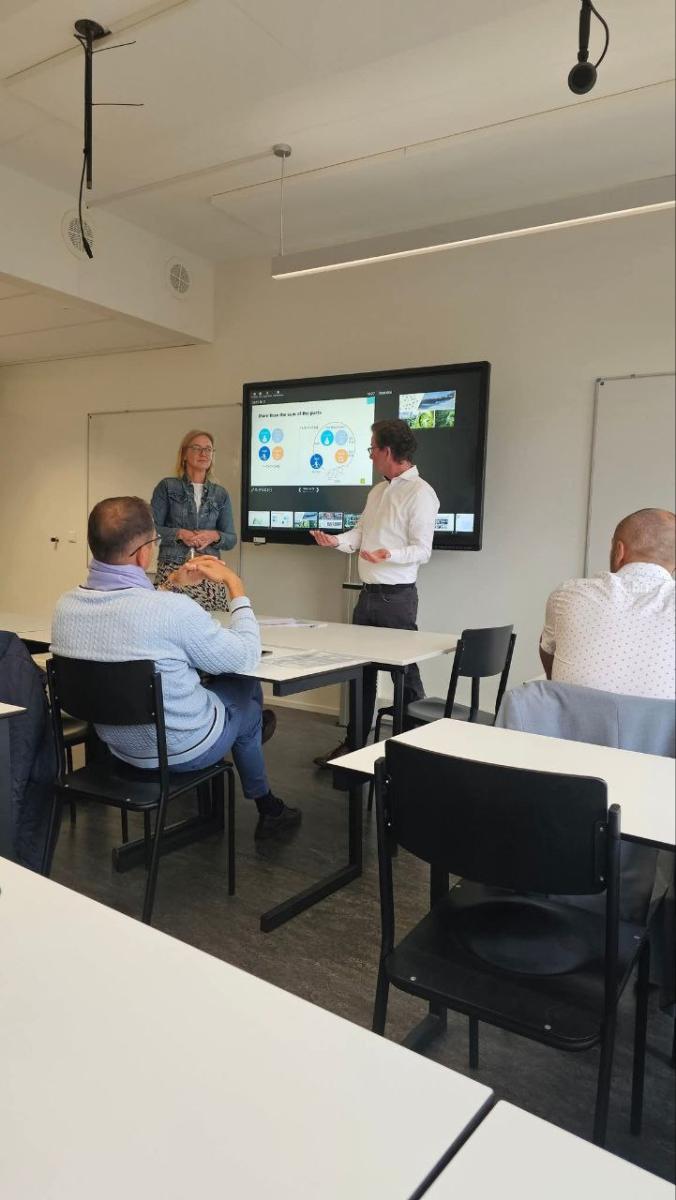
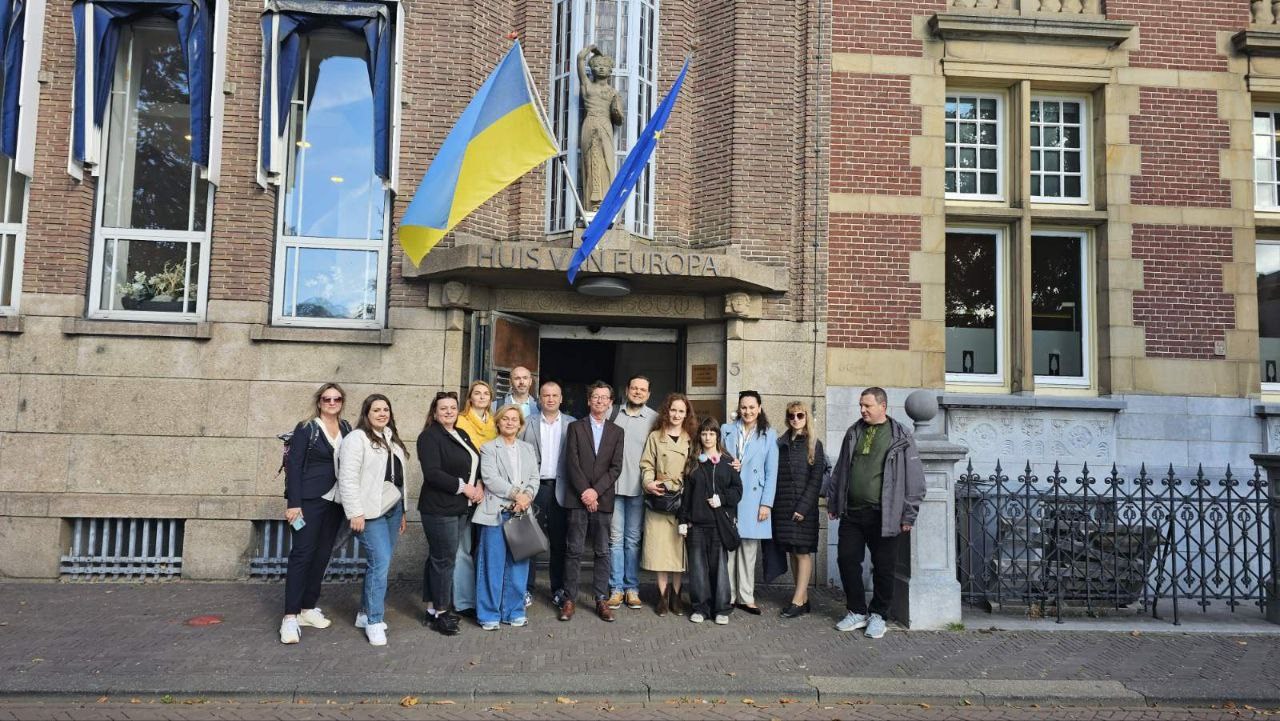
From September 29 to October 3, 2025, as part of the project “Education for Sustainable Development: Synergy of Competencies for the recovery of Ukraine” (101178414 – SUSTED), a training course for trainers was held at The Hague University of Applied Sciences (The Hague, Netherlands). The training was attended by representatives of Ukrainian higher education institutions participating in the project consortium:
- Polissia national university (project coordinator);
- West Ukrainian National University;
- Volodymyr Dahl East Ukrainian National University;
- Higher Educational Institution Podillia State University;
- Chernihiv Polytechnic National University.
The purpose of the training visit was to deepen knowledge of sustainable management theory and methodology and to develop competencies for integrating the Sustainable Development Goals into the educational and scientific processes of higher education institutions.
Training in forms of integrating sustainable management into the educational process (curricula, educational programs, teaching methods) combined theoretical part with the acquisition of practical skills aimed at developing students’ competencies in responsible attitudes towards the environment, society, and the economy.
The training was implemented in sections:
- Introduction to THUAS and research centres – overview of global learning and sustainability initiatives.
- Dutch education system and Nuffic – national frameworks for internationalisation.
- Building policies for internationalisation at home – strategies for embedding global perspectives into curricula and campus activities.
- Cormack project & COIL workshop – hands-on exercises in international online collaboration.
- Curriculum design through Regenerative Education and Justice – practical methods for sustainable and socially responsible learning.
- Critical internationalisation and student learning workshops – aligning learning outcomes with SDGs, IDGs, and global competencies.
During the training, special attention was focused on the applied principles of educational internationalization as one of the key mechanisms for accelerating and maximizing the effect of international dissemination of experience and information about the critical importance of integrating Sustainable Development Goals into educational and other social processes (business, public administration, etc.).
The added value of the training was based on the participants’ competencies in improving the organizational capacity of higher education institutions, in particular, building an effective model of higher education stakeholders; creating a tolerant educational environment; using project and research groups; practicing innovative teaching methods such as COIL (an approach to organizing the educational process that allows students from different countries to interact and exchange experiences without the need for physical mobility).

Contacts